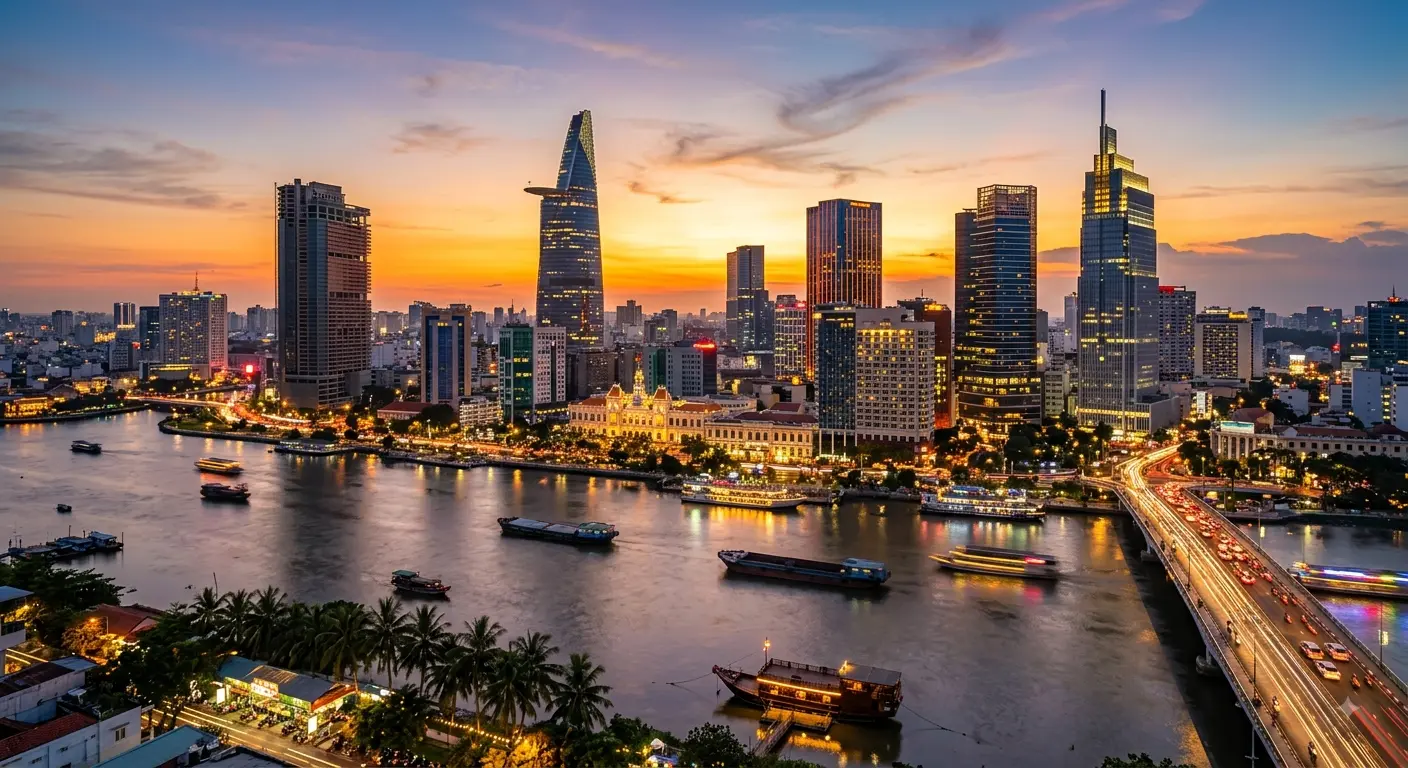
Ho Chi Minh City is Vietnam’s largest urban center and one of the country’s most interesting places for travelers who want to understand modern Vietnamese life. Located in southern Vietnam, the city combines historic buildings, busy markets, neighborhood cafés, museums, street food, and a fast-moving daily rhythm.
Many people still use the name Saigon in everyday conversation, while Ho Chi Minh City is the official name. This guide explains the city’s history, food culture, local customs, cultural attractions, and practical ways to experience the city respectfully.
Understanding Ho Chi Minh City Culture
Ho Chi Minh City culture is shaped by traditional Vietnamese customs, family life, commerce, migration, religion, education, and decades of rapid urban development. The city can feel highly modern in one district and strongly local in the next.
Family and community remain important parts of daily life, while cafés, markets, food stalls, shopping streets, and workplaces keep the city active throughout the day. Travelers often notice the contrast between quiet temples, historic architecture, crowded roads, and new buildings within a short distance.
Saigon culture is also closely connected to food. Meals are social, coffee shops are common meeting places, and markets remain useful for both residents and visitors. The best way to understand local life is to observe how people use public spaces rather than only visiting formal attractions.
A Short Look at the City’s History
Saigon’s Historical Identity
The name Saigon remains widely used in conversation, business names, addresses, and cultural references, even though the city’s official name is Ho Chi Minh City.
Colonial Influence
French colonial-era buildings, boulevards, churches, and administrative structures remain part of the city’s architectural landscape.
Modern Development
The city has grown into a major commercial and cultural center, with new districts and infrastructure developing alongside older neighborhoods.
The city’s museums and landmarks present different parts of its history, including colonial rule, the Vietnam War, reunification, and later economic development. Visitors should approach these places thoughtfully and allow room for different historical perspectives.
Local Traditions and Daily Life
Ho Chi Minh City local life begins early in many neighborhoods. Markets open, food vendors prepare breakfast, commuters move through the streets, and cafés fill with customers before the day becomes especially busy.
Motorbikes are a major part of the city’s transport culture. They carry commuters, families, deliveries, and food. Traffic can appear difficult to navigate, so visitors should use marked crossings where possible and remain alert when walking beside busy roads.
Coffee shops are also central to everyday life. Some are modern and minimalist, while others are small neighborhood businesses with low stools and local customers. Spending time in a café can be a simple way to observe the city at a slower pace.
Vietnamese Food Culture in Ho Chi Minh City
Ho Chi Minh City food reflects southern Vietnamese tastes, local ingredients, regional influences, and the city’s long history as a trading center. Travelers can find everything from street stalls to contemporary restaurants, but many everyday dishes are simple and quick to serve.
Pho
Rice noodles served in broth with herbs and other ingredients. Recipes and flavors vary between regions and restaurants.
Banh Mi
A filled Vietnamese baguette that can include meats, vegetables, herbs, pâté, and sauces. It is a practical option for a quick meal.
Com Tam
Broken rice served with ingredients such as grilled meat, vegetables, and fish sauce. It is commonly associated with southern Vietnam.
Goi Cuon
Fresh rice-paper rolls filled with vegetables, herbs, noodles, and other ingredients, usually served with a dipping sauce.
Vietnamese Coffee
Strong coffee is often served with condensed milk or ice. Coffee shops range from informal street corners to modern cafés.
Hu Tieu
A southern noodle soup with variations that may include meat, seafood, herbs, and different broths.
When trying street food, choose busy stalls with regular customers, observe basic food and drink precautions, and ask about ingredients if you have allergies or dietary restrictions.

Markets, Street Life and Local Experiences
Markets are useful places to see how the city works. Ben Thanh Market is well known among visitors, while Binh Tay Market and smaller neighborhood markets provide a different view of local shopping and wholesale activity.
Nguyen Hue Walking Street is a popular public space for evening walks, gatherings, events, and people-watching. Local markets, food streets, and cafés can be just as informative as major tourist attractions.
- Visit a market early to see morning activity.
- Compare prices before buying souvenirs.
- Ask permission before photographing vendors or residents closely.
- Keep wallets, phones, and passports secure in crowded places.
- Try a neighborhood café instead of staying only in tourist areas.
Important Cultural and Historical Places
War Remnants Museum
A museum presenting material related to the Vietnam War and its effects. Some displays may be emotionally difficult, so allow time to process what you see.
Independence Palace
A major historical landmark connected with Vietnam’s modern political history and reunification.
Central Post Office and Cathedral
These central landmarks show aspects of the city’s colonial-era architecture and remain popular stops for visitors.
Jade Emperor Pagoda
A religious site where visitors can observe devotional practices and traditional architecture. Dress and behave respectfully.
Ben Thanh Market
A central market where travelers can browse food, clothing, souvenirs, and everyday goods while practicing polite bargaining.
Nguyen Hue Walking Street
A broad central public space that is especially active in the evening and during public events.
Opening hours, access rules, and visitor arrangements can change. Check the latest information before visiting museums, religious sites, or formal landmarks.
Religion and Spiritual Life
Ho Chi Minh City includes Buddhist pagodas, Taoist-influenced temples, Catholic churches, and other religious communities. Spiritual places may be active places of worship rather than attractions designed only for visitors.
Visitors should dress modestly, lower their voices, avoid blocking worshippers, and follow signs or instructions. Some locations may ask visitors to remove shoes or avoid photography in particular areas.
Vietnamese Etiquette: What Visitors Should Know
Local practices vary, but showing patience, modesty, and attention is generally a good approach when visiting Ho Chi Minh City.
Best Ways to Experience Local Culture
A useful Ho Chi Minh City travel guide should include time away from the main landmarks. Walk through a residential neighborhood, visit a local market, sit in a café, and try a dish you have not ordered before.
Food tours, museum visits, cooking activities, and guided neighborhood walks can provide context that is difficult to get from sightseeing alone. Choose providers carefully and check what is included before booking.
A short visit can focus on central attractions, while a longer stay allows time for museums, markets, religious sites, and different districts. Leave space in the schedule for traffic and unplanned discoveries.
Things Tourists Should Know Before Visiting

- Traffic is busy, especially in central areas and at commuting times.
- Keep belongings secure when walking near roads and markets.
- Use Vietnamese dong for small purchases and check payment options before ordering.
- Carry a translation app or save your accommodation address in Vietnamese.
- Follow instructions at museums, religious sites, and government-related landmarks.
- Check weather conditions before planning outdoor activities.
- Keep your passport and visa documents secure but accessible when needed.
Vietnam eVisa and Travel to Ho Chi Minh City
Travelers should check their visa requirements before booking a trip to Ho Chi Minh City. Depending on nationality, passport, travel purpose, and intended stay, an electronic visa or another form of permission may be required.
Review the current Vietnam eVisa, Vietnam eVisa requirements, and Vietnam eVisa eligible countries information before departure. If you need to apply, read how to apply for a Vietnam eVisa and check the issued document carefully.
Visa approval does not guarantee entry. Travelers must meet current immigration conditions and use the entry information shown on their approved visa.
Leave a Comment
Share your questions, feedback, or experience regarding the news.
No Comments Yet
Be the first to share your experience or ask a question.